Meghmani Projects Pvt. Ltd. supports industrial buyers looking for an IBR Fittings Supplier In Silvassa. Selecting suitable boiler fittings requires attention to pressure ratings, material compatibility, dimensions, and applicable inspection requirements to support safe and reliable steam-line operation.
Understanding IBR Fittings in Boiler Piping Systems
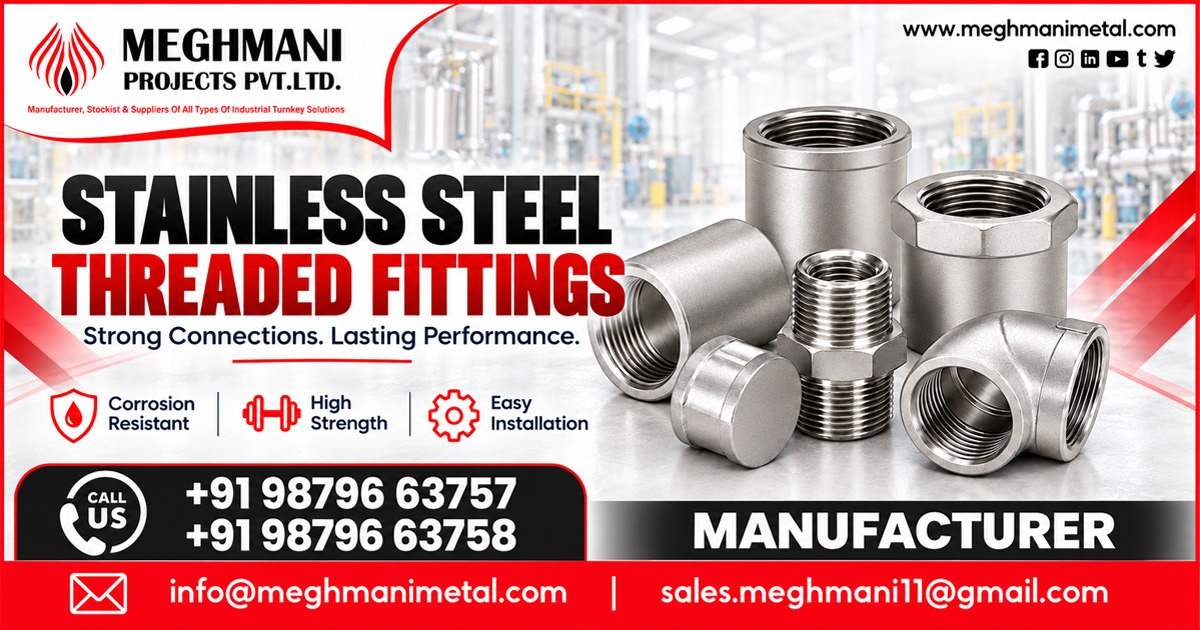
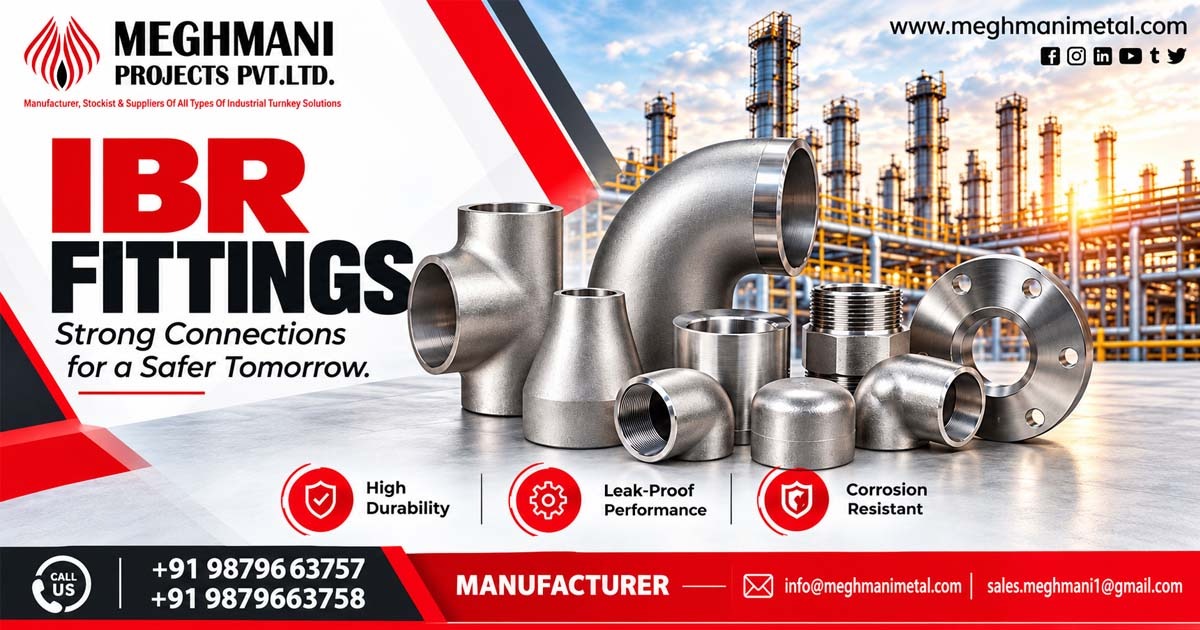
IBR fittings are components used in boiler and steam-piping systems that fall under the scope of the Indian Boiler Regulations (IBR). Depending on the piping design, they may include elbows, tees, reducers, bends, and other fittings required to connect or change the direction of pipes.
These components help maintain the intended flow path while meeting the design and operating requirements of the system. In industrial facilities, unsuitable fittings can create installation difficulties, leakage risks, and maintenance concerns.
Businesses in Silvassa should evaluate fittings according to their boiler application, operating pressure, temperature, pipe dimensions, and applicable regulatory requirements rather than selecting products based on price alone.
Selecting Fittings for Your Boiler’s Operating Conditions
Before purchasing IBR fittings, review the following factors with your engineering or procurement team:
- Operating pressure and temperature: Confirm that the fitting is suitable for the system’s specified conditions.
- Material compatibility: Select materials appropriate for the piping specification, steam service, and operating environment.
- Dimensions and connection type: Check pipe size, wall thickness, end preparation, and connection details against approved drawings.
- Fitting configuration: Identify whether the project requires elbows, tees, reducers, bends, or other components.
- Inspection and documentation: Establish the applicable IBR requirements and verify the necessary approvals, certificates, and inspection records.
- Delivery planning: Confirm quantities, technical specifications, required documentation, and delivery schedules before placing the order.
A clear material and dimensional specification helps reduce procurement errors and avoids delays during installation.
How IBR Fittings Are Integrated Into a Piping System
The fitting selection and installation process generally follows these steps:
Step 1: Review the piping design
Study the approved drawings, piping layout, line specifications, and boiler operating conditions.
Step 2: Match the required components
Identify the fitting type, material, dimensions, pressure class, and applicable regulatory requirements.
Step 3: Verify product documentation
Check markings, material traceability, inspection reports, and required IBR documentation before accepting the supplied components.
Step 4: Complete installation and inspection
Ensure qualified personnel install the fittings according to the approved procedure. Complete the required inspections and tests before commissioning the system.
After installation, periodic inspection and maintenance should follow the plant’s procedures and applicable regulations. Leakage, corrosion, visible deformation, or damaged connections should be assessed by qualified personnel.
What Buyers Should Verify Before Confirming an Order
When comparing suppliers, procurement teams should verify product suitability and documentation before finalizing a purchase. Important checks include:
- Material grade and conformity with the approved piping specification.
- Dimensional accuracy and compatibility with connecting pipes.
- Required IBR certification, approvals, and inspection documentation, as applicable.
- Traceability of materials and product identification.
- Packaging, transportation arrangements, and delivery commitments.
- Availability of technical information needed by the installation team.
IBR-related requirements can vary according to the component and its intended application. Confirm the applicable requirements with the responsible boiler inspector or qualified engineering professional.
Planning Fittings for Specific Project Requirements
Boiler piping projects may require different fitting configurations depending on the system layout and operating conditions. Before requesting a quotation, prepare a component list containing sizes, materials, quantities, connection details, and the relevant drawing references.
For replacement work, compare the existing component details with the approved design rather than relying only on visual similarity. Any proposed change in material, dimensions, or fitting configuration should be reviewed by the responsible engineering team.
Services
- Product requirement review and fitting identification.
- Assistance with technical specifications and procurement planning.
- Coordination of product documentation and inspection requirements.
- Support with order details and delivery planning.
Industrial Areas Served Around Silvassa
Industries in Silvassa and neighbouring manufacturing centres may require suitable boiler piping components for steam generation, process heating, and utility systems. Procurement planning can cover Silvassa, Amli, Piparia, Rakholi, Masat, Athal, Samarvarni, Naroli, Dadra, Saily, Khanvel, Rudana, Kilvani, Kharadpada, Amboli, Vapi, Daman, Bhilad, Sarigam, Umbergaon, Pardi, Valsad, and Lavachha.
Why Consider Meghmani Projects Pvt. Ltd.?
Meghmani Projects Pvt. Ltd. can be approached to discuss industrial fitting requirements and product specifications for a project. Its manufacturing support is based in Ahmedabad, Gujarat, India.
Visit meghmanimetal.com to learn more about the company and discuss your requirements. Before ordering, confirm the availability of the required fitting types, applicable IBR documentation, and delivery details directly with the company.
Frequently Asked Questions
Q1: What should I check when choosing an IBR fittings supplier in Silvassa?
A: Check material suitability, pressure and temperature requirements, dimensions, applicable IBR approvals, inspection documents, and delivery commitments before placing an order.
Q2: Which types of fittings may be required for boiler piping?
A: Depending on the piping design, requirements may include elbows, tees, reducers, and bends. The approved piping specification determines the exact component types and sizes.
Q3: Is IBR documentation necessary for every industrial pipe fitting?
A: Not every fitting is subject to identical requirements. Applicability depends on the component, system, and relevant regulations. Confirm the required documentation with the responsible technical authority.
Q4: How can buyers reduce errors when ordering boiler fittings?
A: Provide accurate drawings, material specifications, dimensions, quantities, and operating conditions. Review the quotation and required inspection documents before confirming the order.
Conclusion
Choosing an IBR Fittings Supplier In Silvassa requires careful evaluation of material compatibility, dimensions, operating conditions, and regulatory documentation. Clear specifications help industrial buyers reduce procurement errors and installation delays. Meghmani Projects Pvt. Ltd., with manufacturing support from Ahmedabad, Gujarat, India, can be contacted to discuss project requirements.
Contact Meghmani Projects Pvt. Ltd. through meghmanimetal.com to discuss your industrial fitting requirements and confirm product specifications, documentation, and availability.
Call Us:
Sales: (+91) 98 79 663757
Support: (+91) 98 79 663758
Email Us:
Sales: sales.meghmani11@gmail.com
General: info@meghmanimetal.com